- Home
- Product
- Permanent Magnet Variable Frequency Constant Pressure Booster Pump
- Intelligent Permanent Magnet Variable Frequency Constant Pressure Centrifugal Pump
- Permanent Magnet Variable Frequency Self-Priming Constant Pressure Electric Pump
- Permanent Magnet Variable Frequency Stainless Steel Horizontal Centrifugal Pump
- Permanent Magnet Variable Frequency Shielded Circulating Booster Pump
- Permanent Magnet Variable Frequency Toilet Pump
- Permanent Magnet Variable Frequency Sewage Lift Station
- Intelligent Mini Air Condition Condensate Drainage Pump
- Permanent Magnet Variable Frequency Pipeline Circulation Pump
- About Us
- Application
- News
- Contact Us



The industrial and residential sectors of Southeast Asia are experiencing rapid growth, creating an increased demand for reliable and cost-effective water pumping solutions. Among the sought-after products in the region are self-priming electric pumps. These pumps have become a go-to solution for various applications, ranging from agricultural irrigation to industrial fluid management, due to their exceptional cost-effectiveness, easy installation, and reliable performance.
What Are Self-Priming Electric Pumps?
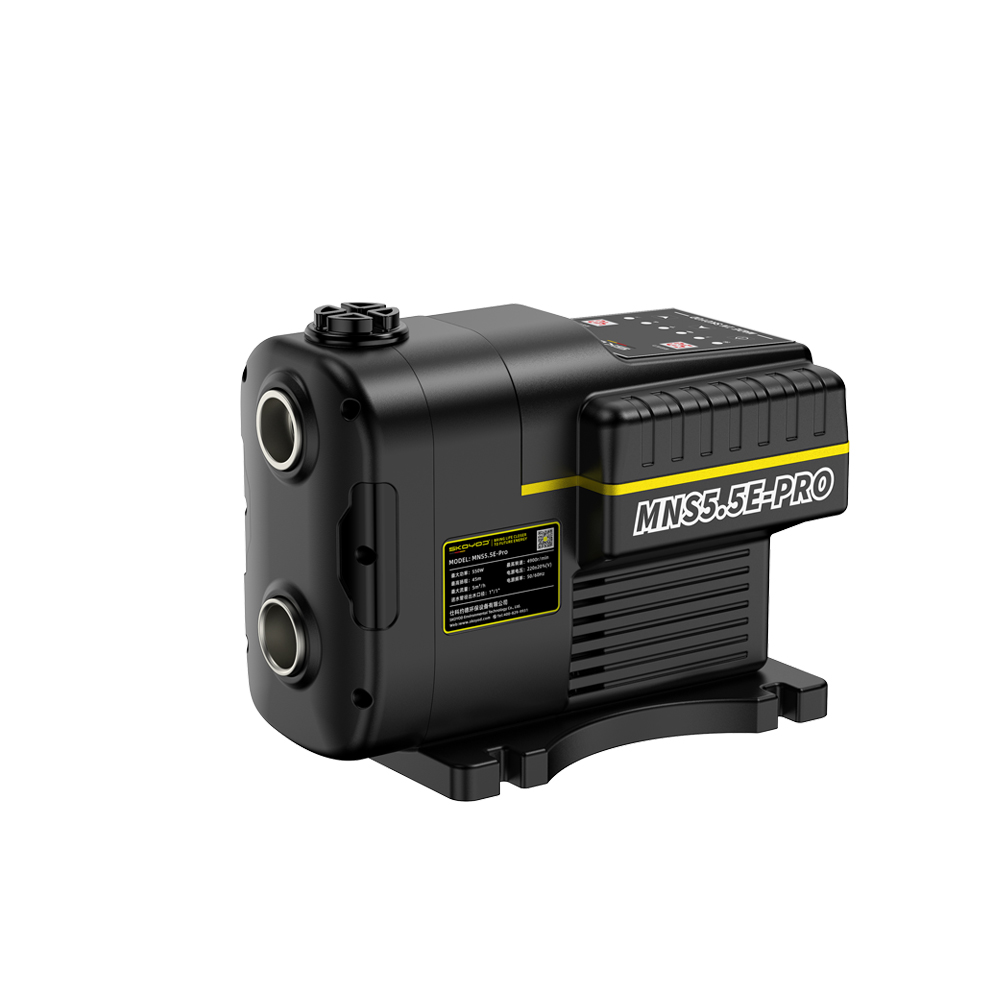
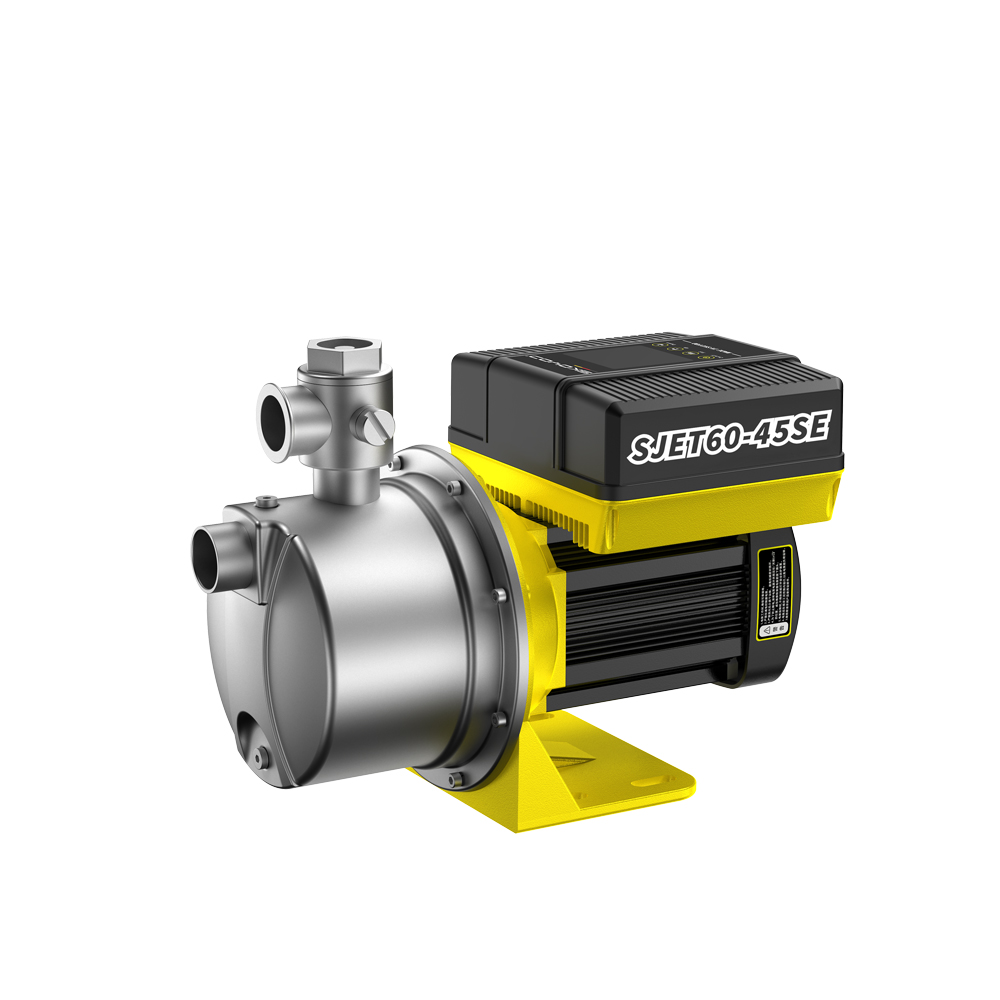
Self-priming electric pumps
are designed to automatically remove air from the suction line and
create a vacuum to pull water into the pump, making them ideal for
applications where the pump might need to draw water from sources that
are below the pump’s level. This feature is particularly useful in
situations where the water source is not consistently available at the
pump’s location or when the pump needs to handle air-entrained fluids.
The self-priming action allows the pump to start up and operate without
the need for manual priming, making them extremely user-friendly.
These pumps are widely used in a variety of sectors, including agriculture for irrigation, residential buildings for water supply, and industrial applications for fluid circulation, transfer, and pressure boosting. In Southeast Asia, where water management and irrigation are vital to both agriculture and urban infrastructure, the popularity of self-priming electric pumps has soared in recent years due to their efficiency and cost-effectiveness.
Why Are Self-Priming Electric Pumps So Popular in Southeast Asia?
Several
factors have contributed to the rise of self-priming electric pumps in
Southeast Asia, with cost-effectiveness being the key driver of their
popularity. The growing need for affordable and efficient water
management solutions in this rapidly developing region has made
self-priming electric pumps an ideal choice for both small-scale and
large-scale applications.
1. High Cost-Effectiveness
One of the significant advantages of
self-priming electric pumps is their affordability. Compared to other
types of pumps, self-priming models are typically priced lower while
still offering the same or better performance. This makes them an
attractive option for businesses, municipalities, and households that
need a reliable pumping solution but are working within budget
constraints. In Southeast Asia, where rapid industrialization and
urbanization are taking place, businesses and local governments are
increasingly turning to cost-effective solutions that do not compromise
on performance, and self-priming electric pumps fit this need perfectly.
Self-priming electric pumps are also energy-efficient, which makes them an even more cost-effective option. These pumps are designed to minimize energy consumption while still delivering performance. For industries and municipalities in Southeast Asia, where energy costs are often a significant concern, the low operational costs of self-priming pumps provide substantial savings over time.
2. Ease of Installation and Operation
Another reason for the
growing popularity of self-priming electric pumps in Southeast Asia is
their ease of installation and operation. These pumps do not require a
complex setup, and the self-priming feature ensures that they can start
working immediately after installation, without the need for manual
priming. This reduces the time and effort required for setup, making
them ideal for both new projects and replacements in existing systems.
In Southeast Asia, where projects need to be completed on time and within budget, the simplicity of installing self-priming electric pumps makes them highly attractive to contractors and business owners. Additionally, these pumps require minimal maintenance, reducing the need for frequent repairs or technical expertise, which further enhances their cost-effectiveness.
3. Durability and Reliability
Self-priming electric pumps are
designed to handle tough conditions, which is a critical factor in
Southeast Asia's often challenging environment. Whether it's handling
heavy rain, high humidity, or irregular water sources, these pumps are
built to withstand the elements and operate efficiently. The robust
construction of these pumps ensures that they can perform under harsh
conditions, providing businesses and homeowners with long-lasting and
dependable service.

- Home
- Product
- Permanent Magnet Variable Frequency Constant Pressure Booster Pump
- Intelligent Permanent Magnet Variable Frequency Constant Pressure Centrifugal Pump
- Permanent Magnet Variable Frequency Self-Priming Constant Pressure Electric Pump
- Permanent Magnet Variable Frequency Stainless Steel Horizontal Centrifugal Pump
- Permanent Magnet Variable Frequency Shielded Circulating Booster Pump
- Permanent Magnet Variable Frequency Toilet Pump
- Permanent Magnet Variable Frequency Sewage Lift Station
- Intelligent Mini Air Condition Condensate Drainage Pump
- Permanent Magnet Variable Frequency Pipeline Circulation Pump
- About Us
- Application
- News
- Contact Us
Zhejiang Lampas Technology Co.,Ltd
Tel:+86-576-89954770
Email:info@skoyodpump.com
Add:No 199, ErHuan Road ,Munan , Muyu Village, Wenling City, Zhejiang Province, China