- Home
- Product
- Permanent Magnet Variable Frequency Constant Pressure Booster Pump
- Intelligent Permanent Magnet Variable Frequency Constant Pressure Centrifugal Pump
- Permanent Magnet Variable Frequency Self-Priming Constant Pressure Electric Pump
- Permanent Magnet Variable Frequency Stainless Steel Horizontal Centrifugal Pump
- Permanent Magnet Variable Frequency Shielded Circulating Booster Pump
- Permanent Magnet Variable Frequency Toilet Pump
- Permanent Magnet Variable Frequency Sewage Lift Station
- Intelligent Mini Air Condition Condensate Drainage Pump
- Permanent Magnet Variable Frequency Pipeline Circulation Pump
- About Us
- Application
- News
- Contact Us



In today’s rapidly evolving world, sustainability has become a central theme in various industries, including water management. As global concerns about environmental impact and resource conservation continue to grow, industries are turning to more efficient technologies to minimize their carbon footprints. One such innovation is the constant pressure water pump, a solution that is transforming water systems worldwide by improving energy efficiency, reducing wastage, and ensuring a more reliable water supply.
The Growing Need for Efficient Water Management
Water is a vital
resource, and efficient management is crucial in ensuring its
availability for future generations. In both residential and industrial
settings, water is used in vast quantities for a variety of
purposes—from domestic consumption to irrigation and cooling systems in
industries. However, the challenge arises in managing water distribution
systems where water pressure can fluctuate, to inefficiency, energy
waste, and inconsistent service. For example, traditional water pumps
operate on a fixed speed, often running at full power regardless of
demand, to energy wastage during low-demand periods. This inefficiency
not only contributes to high operational costs but also increases the
environmental impact of water systems.
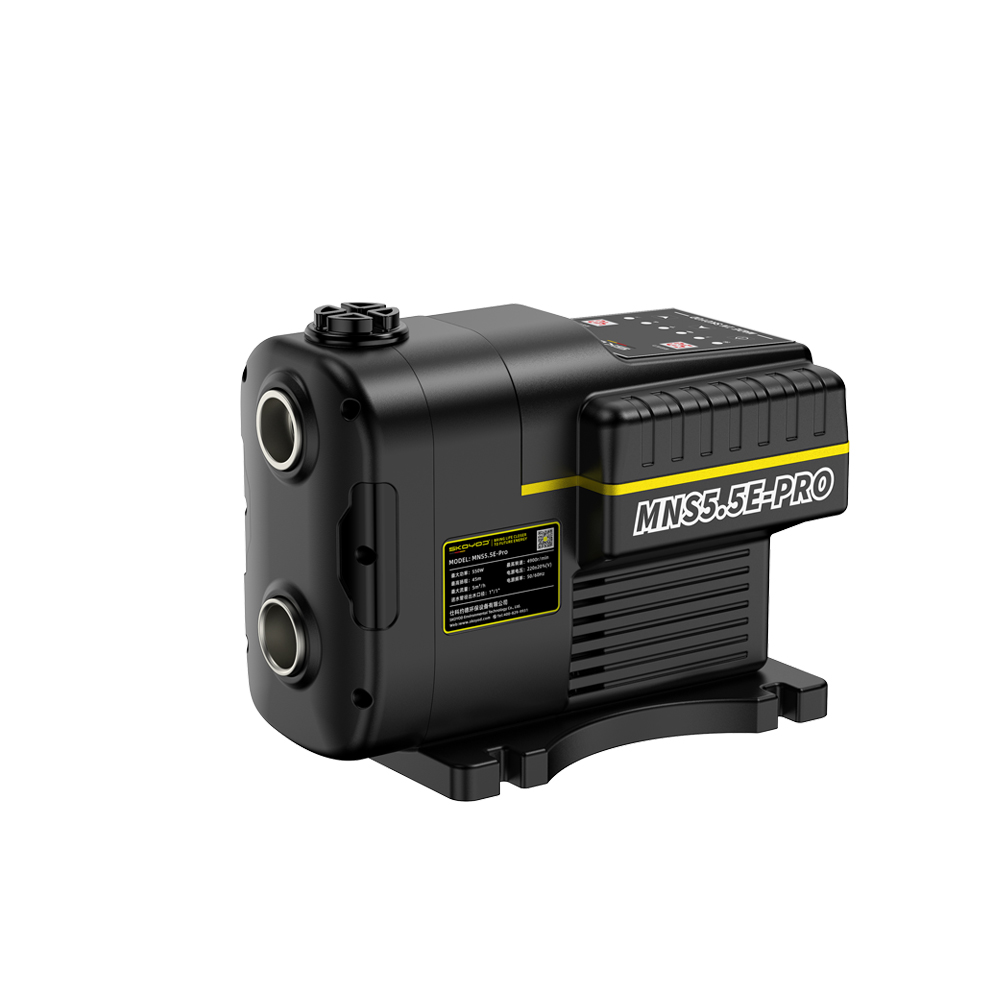
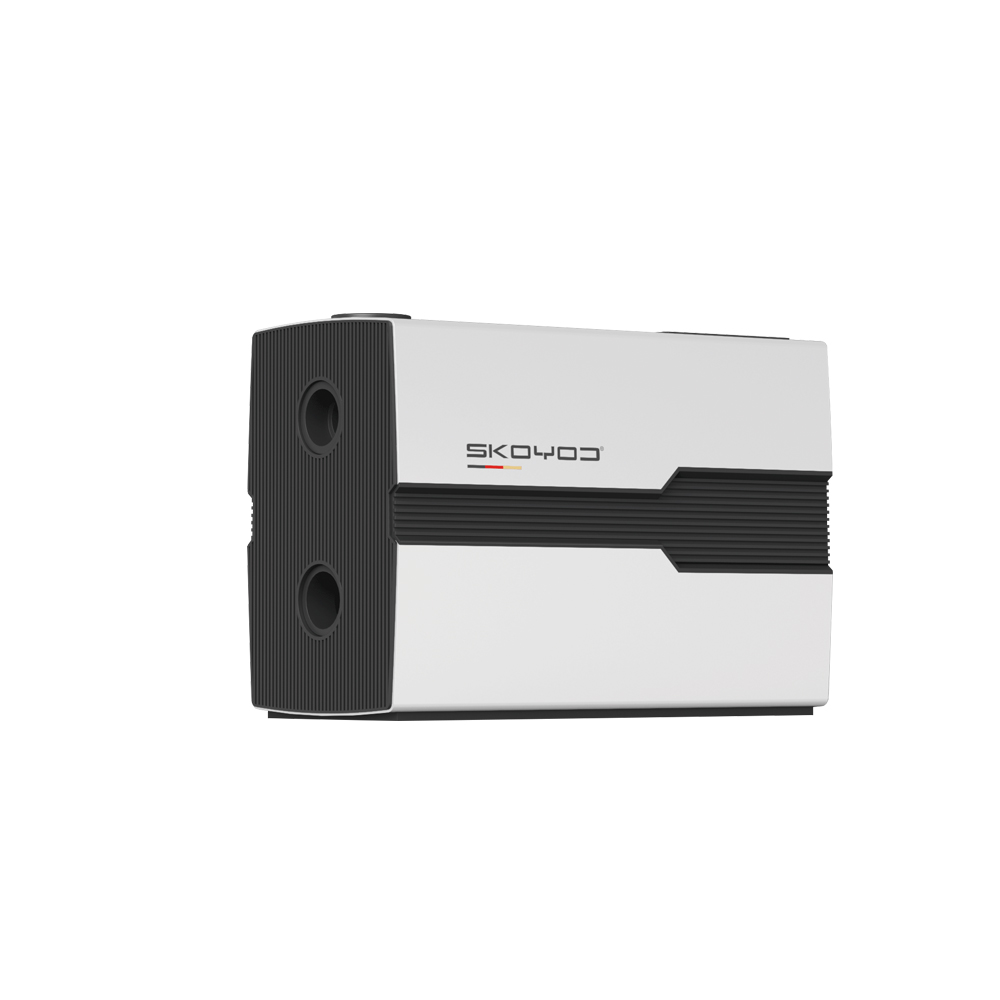
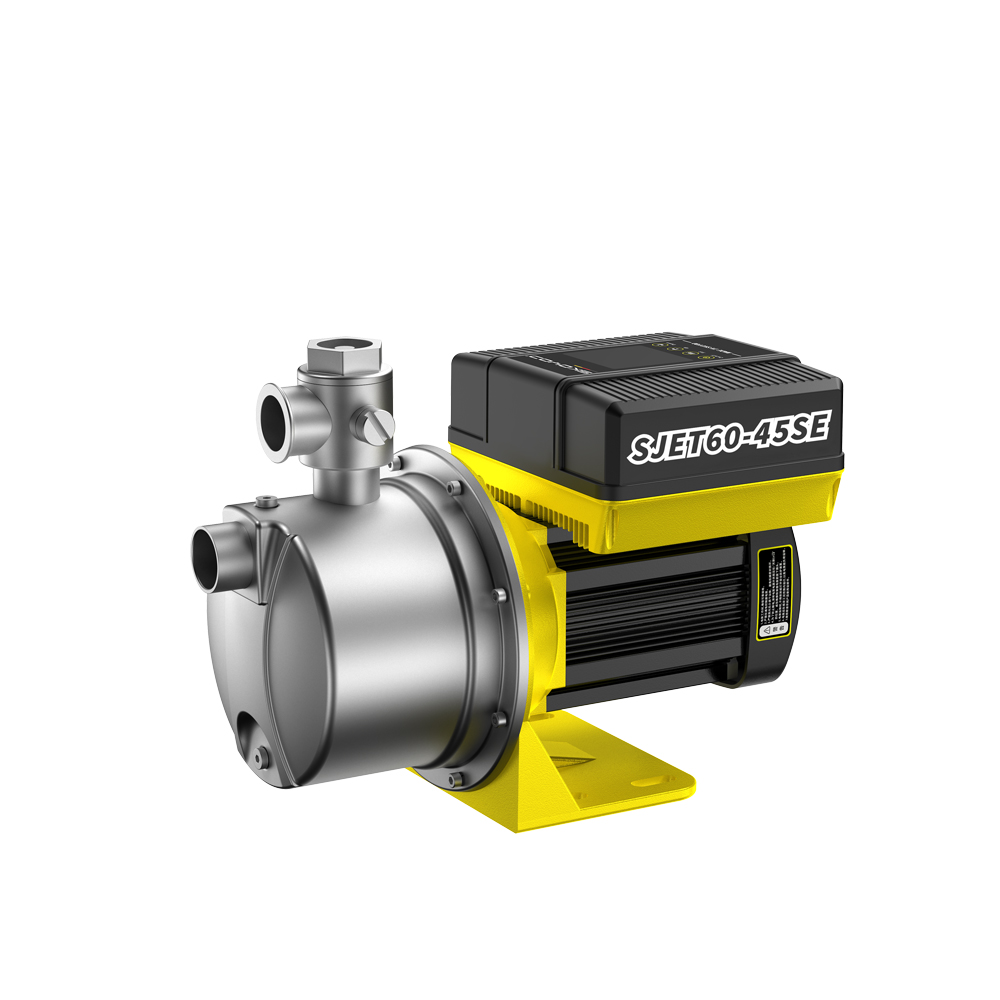
To address these challenges, constant pressure water pumps are becoming a staple in water management systems. These pumps provide a dynamic solution that adjusts to fluctuating demand, maintaining a stable water pressure throughout the system while optimizing energy use.
How Constant Pressure Water Pumps Work
A constant pressure water
pump is designed to maintain a steady water pressure regardless of the
fluctuating demand in the system. Unlike traditional pumps, which
operate at a fixed speed, these pumps are equipped with a variable
frequency drive (VFD), which adjusts the speed of the pump in real-time
based on the required pressure. This ensures that the pump only works as
hard as necessary, reducing energy consumption and increasing overall
system efficiency.
For example, in a residential system, a constant pressure booster pump connected to a water well will automatically increase its speed when water demand rises (e.g., when multiple faucets or appliances are in use) and reduce speed when demand decreases (e.g., during periods of no water use). This means that the pump’s motor is never overworked, and energy is only used when needed.
Benefits of Constant Pressure Water Pumps in Energy Conservation
Energy Savings:
One
of the key benefits of constant pressure pumps is their ability to save
energy. Traditional pumps tend to run at full power regardless of
demand, which wastes electricity during periods of low usage. In
contrast, a constant pressure system adjusts the pump's operation to
match real-time water demand. This efficiency leads to a reduction in
energy consumption, ultimately lowering operational costs and reducing
the environmental impact of water systems.
Reduced Wear and Tear:
Energy efficiency is not just about
consumption; it also includes the longevity of the system. Constant
pressure water pumps, with their variable speed capabilities, reduce
wear and tear on pump components. By avoiding the on/off cycling that is
common with traditional systems, these pumps operate more smoothly and
require less maintenance. This leads to fewer repairs, extended lifespan
of the pump, and lower maintenance costs.
Optimized Water Flow:
The key feature of constant pressure water
pumps is their ability to maintain consistent pressure, regardless of
system demand. This results in optimized water flow, preventing
fluctuations that can cause issues such as water hammer, inconsistent
pressure, and over- or under-supply. For homes, businesses, and
industrial facilities, this means a more reliable water supply that
ensures consistent performance without wastage.
Impact on Residential Water Systems
In residential systems, water
pressure is often an overlooked concern, but it plays a significant role
in daily comfort and convenience. Homes with fluctuating water pressure
can experience problems such as low pressure during peak usage times or
surges that can damage plumbing and appliances. With a constant
pressure water pump, homeowners can enjoy a consistent, reliable water
supply with minimal fluctuations.
For example, a constant pressure booster pump can be installed in well systems to maintain consistent water pressure, even during peak usage times. The pump adjusts its speed to ensure that water is delivered at the correct pressure, preventing issues like fluctuating temperatures during showers or inconsistent water flow when using multiple appliances simultaneously.

- Home
- Product
- Permanent Magnet Variable Frequency Constant Pressure Booster Pump
- Intelligent Permanent Magnet Variable Frequency Constant Pressure Centrifugal Pump
- Permanent Magnet Variable Frequency Self-Priming Constant Pressure Electric Pump
- Permanent Magnet Variable Frequency Stainless Steel Horizontal Centrifugal Pump
- Permanent Magnet Variable Frequency Shielded Circulating Booster Pump
- Permanent Magnet Variable Frequency Toilet Pump
- Permanent Magnet Variable Frequency Sewage Lift Station
- Intelligent Mini Air Condition Condensate Drainage Pump
- Permanent Magnet Variable Frequency Pipeline Circulation Pump
- About Us
- Application
- News
- Contact Us
Zhejiang Lampas Technology Co.,Ltd
Tel:+86-576-89954770
Email:info@skoyodpump.com
Add:No 199, ErHuan Road ,Munan , Muyu Village, Wenling City, Zhejiang Province, China