- Home
- Product
- Permanent Magnet Variable Frequency Constant Pressure Booster Pump
- Intelligent Permanent Magnet Variable Frequency Constant Pressure Centrifugal Pump
- Permanent Magnet Variable Frequency Self-Priming Constant Pressure Electric Pump
- Permanent Magnet Variable Frequency Stainless Steel Horizontal Centrifugal Pump
- Permanent Magnet Variable Frequency Shielded Circulating Booster Pump
- Permanent Magnet Variable Frequency Toilet Pump
- Permanent Magnet Variable Frequency Sewage Lift Station
- Intelligent Mini Air Condition Condensate Drainage Pump
- Permanent Magnet Variable Frequency Pipeline Circulation Pump
- About Us
- Application
- News
- Contact Us



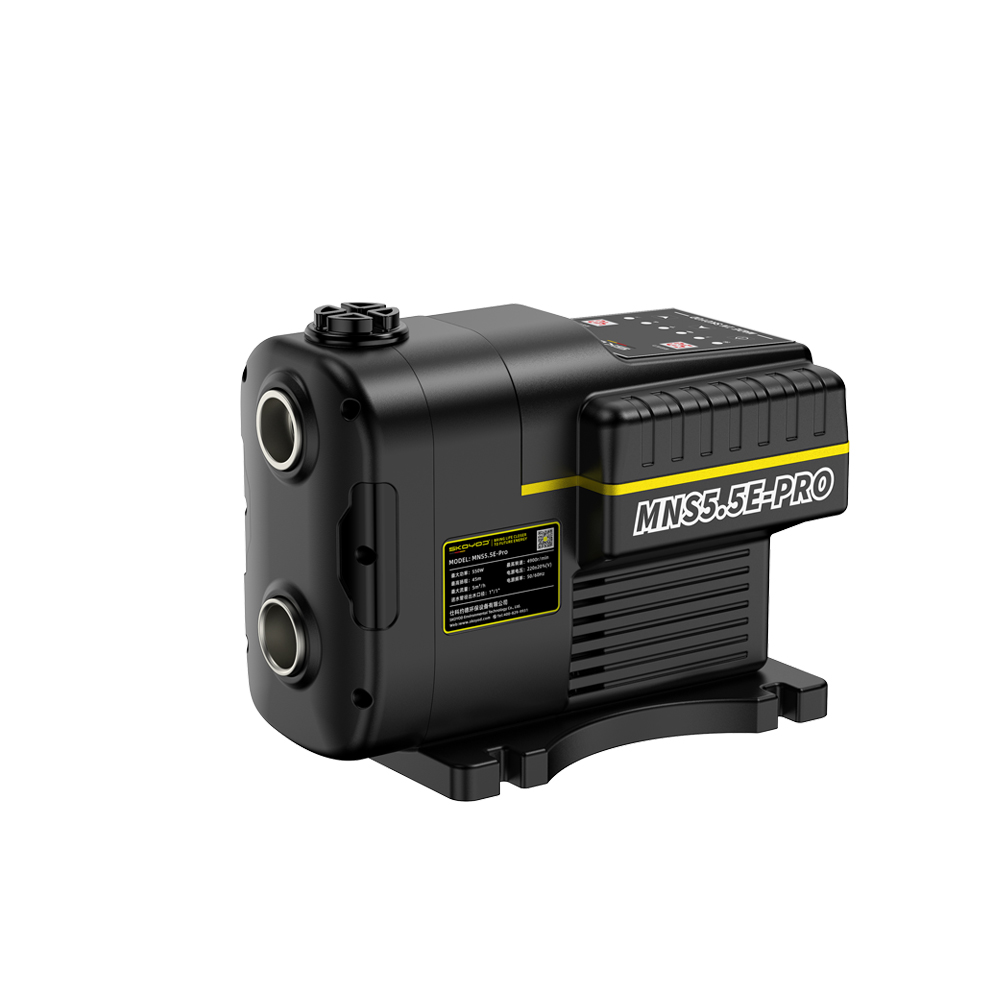
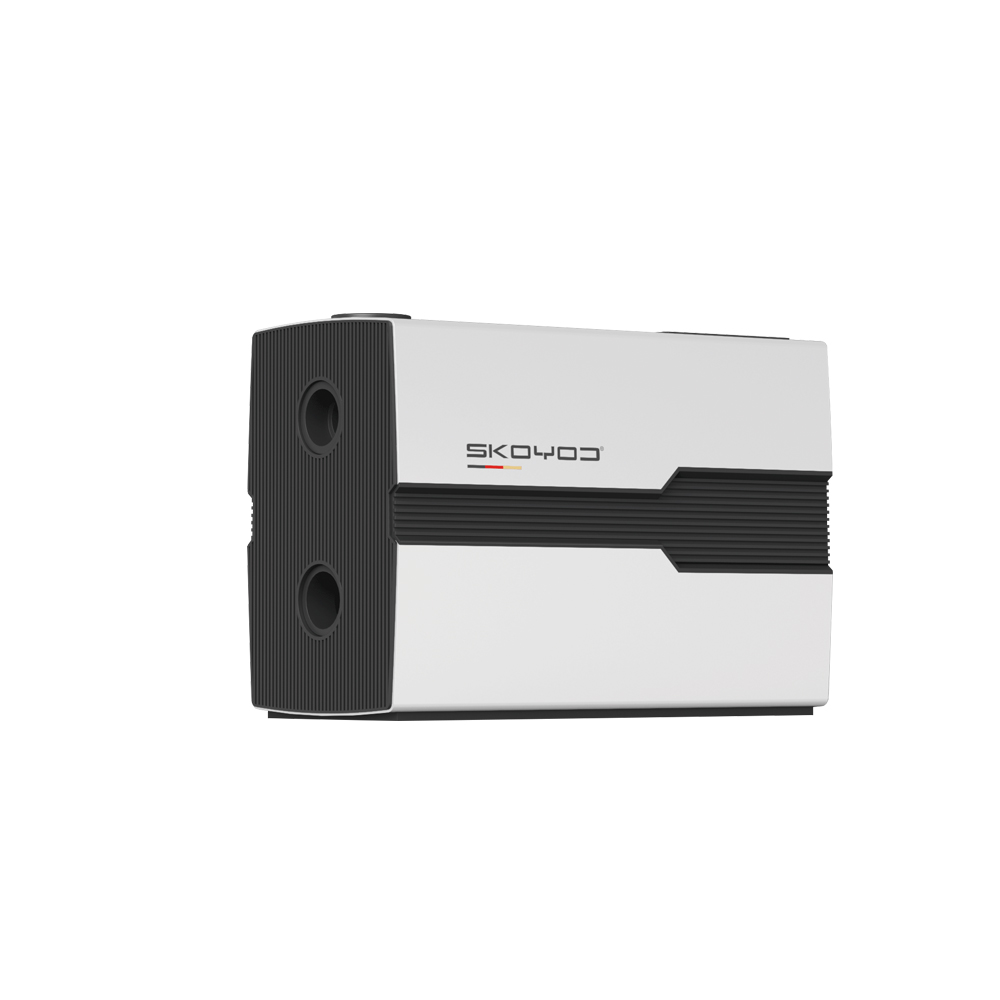
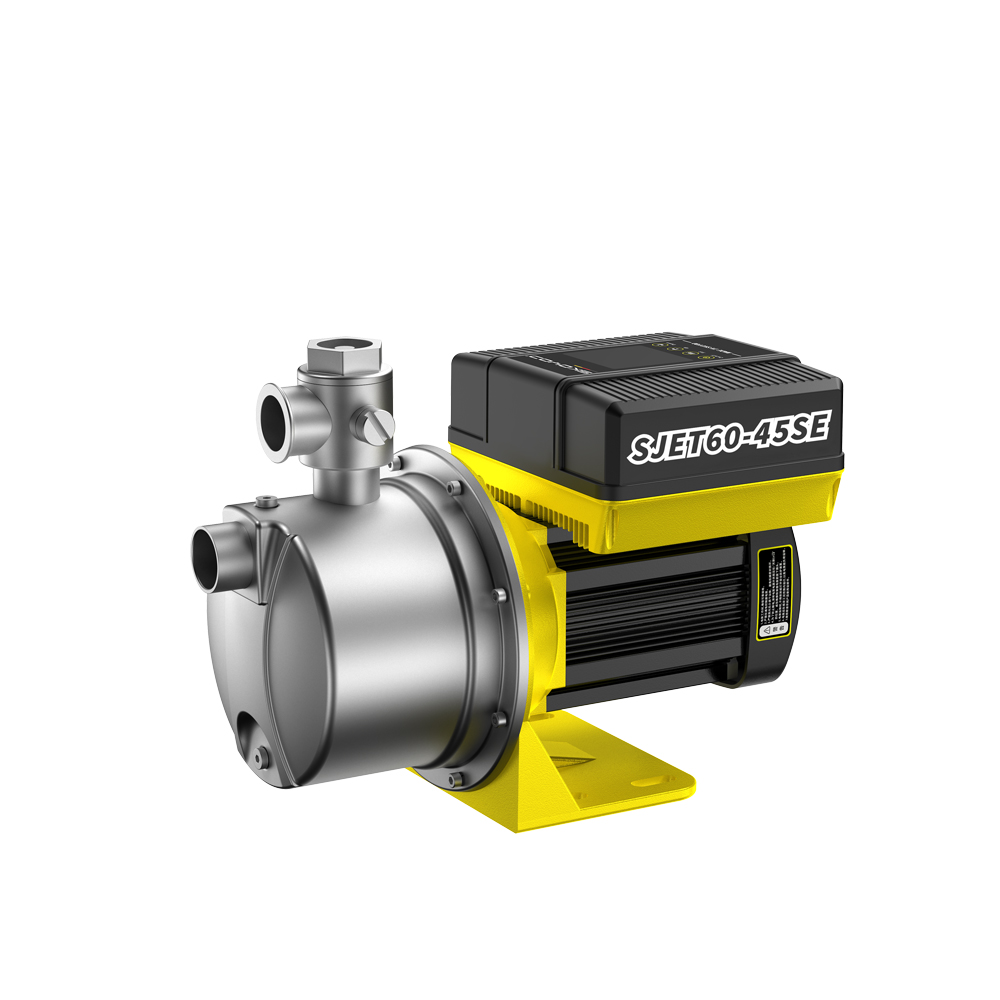
Users working in agriculture, construction, and general water-transfer tasks often ask whether equipment such as a Centrifugal Booster Water Pump and a Self Priming Electric Pump can deal with muddy or particle-laden water. Understanding how these pumps react to suspended solids helps operators choose suitable setups, protect equipment, and maintain stable performance in challenging environments.
How Self-Priming Mechanisms React to Muddy Water
A self-priming structure is designed to clear air from the suction
line and create the necessary vacuum to lift water without manual
priming. When water contains mud, silt, or sand, this mechanism still
follows the same working principle, but the internal process faces extra
resistance due to particle concentration.
Instead of relying on
external priming tanks, the pump stores a certain volume of liquid in
its casing. During startup, this retained liquid circulates with
incoming water to expel air. For muddy water, the mixture tends to
become heavier and denser, so the time required for the pump to
establish steady flow may increase. Operators often notice slightly
slower initial suction, which is normal because the thicker medium
requires more cycles to stabilize.
As long as the pump’s internal
passages remain clear and the particle size is within the pump’s
tolerance, the unit can continue drawing fluid without frequent manual
intervention. Pumps designed with wider internal flow channels typically
perform better under these conditions.
Impact of Muddy Water on Impeller and Passage Flow
The impeller is central to how a centrifugal pump handles fluid
movement. When mud is present, suspended solids circulate through the
impeller vanes. Unlike clear water, these solids can create extra
friction, causing gradual wear if used continuously for long periods.
For
users concerned about equipment life, it is helpful to check impeller
materials—many pumps designed for mixed-water service use stainless
steel or cast materials that are more resistant to abrasion. These
materials do not eliminate wear but can slow the process, giving
operators more stable use over time.
Flow passages and diffuser
chambers also play a role. Mud tends to accumulate in areas with slower
water speed, so occasional inspection prevents partial clogging. When
users notice reduced discharge flow, this is often a sign that sediment
is collecting inside the casing or at the bottom of the suction pipe.
Suction Pipe Considerations When Water Contains Sediment
The design and condition of the suction line can strongly influence
performance with muddy water. A few practical checks can reduce
unnecessary strain:
Use a screened inlet to prevent large debris from entering.
Position
the suction pipe above the low point of the water source. Letting the
pipe rest directly on the riverbed or ditch bottom makes it more likely
to pull in heavy sediment.
Ensure airtight connections, because even
small leaks can disrupt the self-priming cycle, especially when the pump
is already working harder due to denser fluid.
For shallow sources
such as ponds or canals, raising the suction inlet slightly off the
surface using a floating platform or supported bracket often helps
maintain more consistent flow.
How a Centrifugal Pump Maintains Flow With Muddy Water
Centrifugal pumps move fluid using rotational force, meaning the
impeller pushes water outward from the center to the casing. When mud
particles are present, the flow behavior changes only slightly as long
as the concentration is not excessive.
The pump may show moderate
variation in discharge pressure or flow rate, but the centrifugal
principle still operates effectively. Users who need steady delivery can
pair the system with a variable frequency controller to fine-tune speed
without forcing the pump to work beyond its usual range. Although this
is not a requirement, it helps when water conditions fluctuate during
use.
The pump’s vertical or horizontal layout does not drastically
affect its ability to handle muddy water, but vertical designs often
have smaller footprints, making them easier to place in narrow spaces
near water sources.
Preventive Measures That Improve Stability in Mud Handling
Even though these pumps can move muddy water, some simple habits help maintain reasonable performance across longer periods:
Regular flushing with clean water after each use prevents sediment from hardening inside the casing.
Choosing hoses with smooth inner walls reduces the chance of mud settling in long suction lines.
Checking the condition of seals and bearings helps avoid minor leakage that could affect suction efficiency.
Using a slightly slower startup speed (when adjustable) gives the pump time to expel air before managing heavier water.
These actions do not require special tools and can be done during routine maintenance.
Practical Scenarios Where Users Encounter Muddy Water
Operators often face muddy water during farmland irrigation, drainage of construction trenches, cleaning of outdoor tanks, or transferring water from natural ponds. A self-priming pump is frequently selected because it can draw water even when the suction pipe is not completely filled. In real-world use, the pump can remove muddy water effectively as long as the particle size is within its acceptable range and the user follows regular inspection steps.

- Home
- Product
- Permanent Magnet Variable Frequency Constant Pressure Booster Pump
- Intelligent Permanent Magnet Variable Frequency Constant Pressure Centrifugal Pump
- Permanent Magnet Variable Frequency Self-Priming Constant Pressure Electric Pump
- Permanent Magnet Variable Frequency Stainless Steel Horizontal Centrifugal Pump
- Permanent Magnet Variable Frequency Shielded Circulating Booster Pump
- Permanent Magnet Variable Frequency Toilet Pump
- Permanent Magnet Variable Frequency Sewage Lift Station
- Intelligent Mini Air Condition Condensate Drainage Pump
- Permanent Magnet Variable Frequency Pipeline Circulation Pump
- About Us
- Application
- News
- Contact Us
Zhejiang Lampas Technology Co.,Ltd
Tel:+86-576-89954770
Email:info@skoyodpump.com
Add:No 199, ErHuan Road ,Munan , Muyu Village, Wenling City, Zhejiang Province, China