- Home
- Product
- Permanent Magnet Variable Frequency Constant Pressure Booster Pump
- Intelligent Permanent Magnet Variable Frequency Constant Pressure Centrifugal Pump
- Permanent Magnet Variable Frequency Self-Priming Constant Pressure Electric Pump
- Permanent Magnet Variable Frequency Stainless Steel Horizontal Centrifugal Pump
- Permanent Magnet Variable Frequency Shielded Circulating Booster Pump
- Permanent Magnet Variable Frequency Toilet Pump
- Permanent Magnet Variable Frequency Sewage Lift Station
- Intelligent Mini Air Condition Condensate Drainage Pump
- Permanent Magnet Variable Frequency Pipeline Circulation Pump
- About Us
- Application
- News
- Contact Us



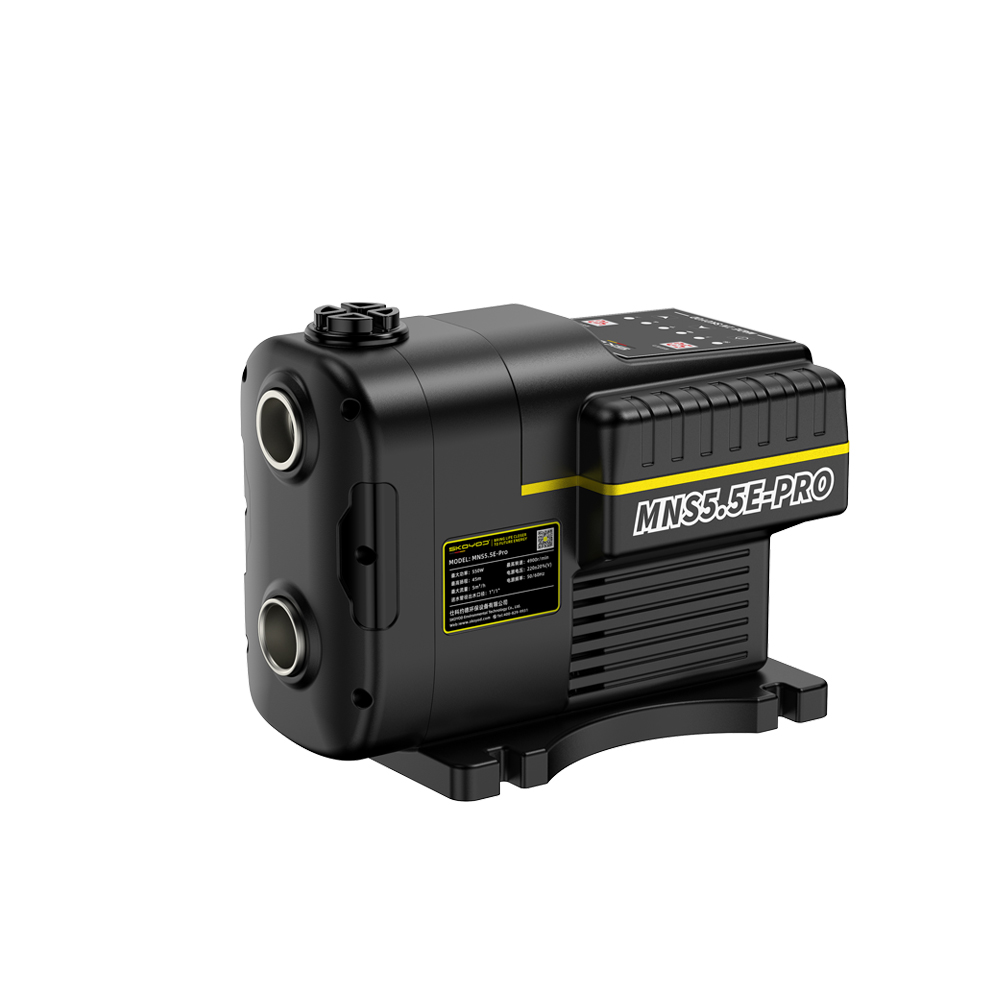
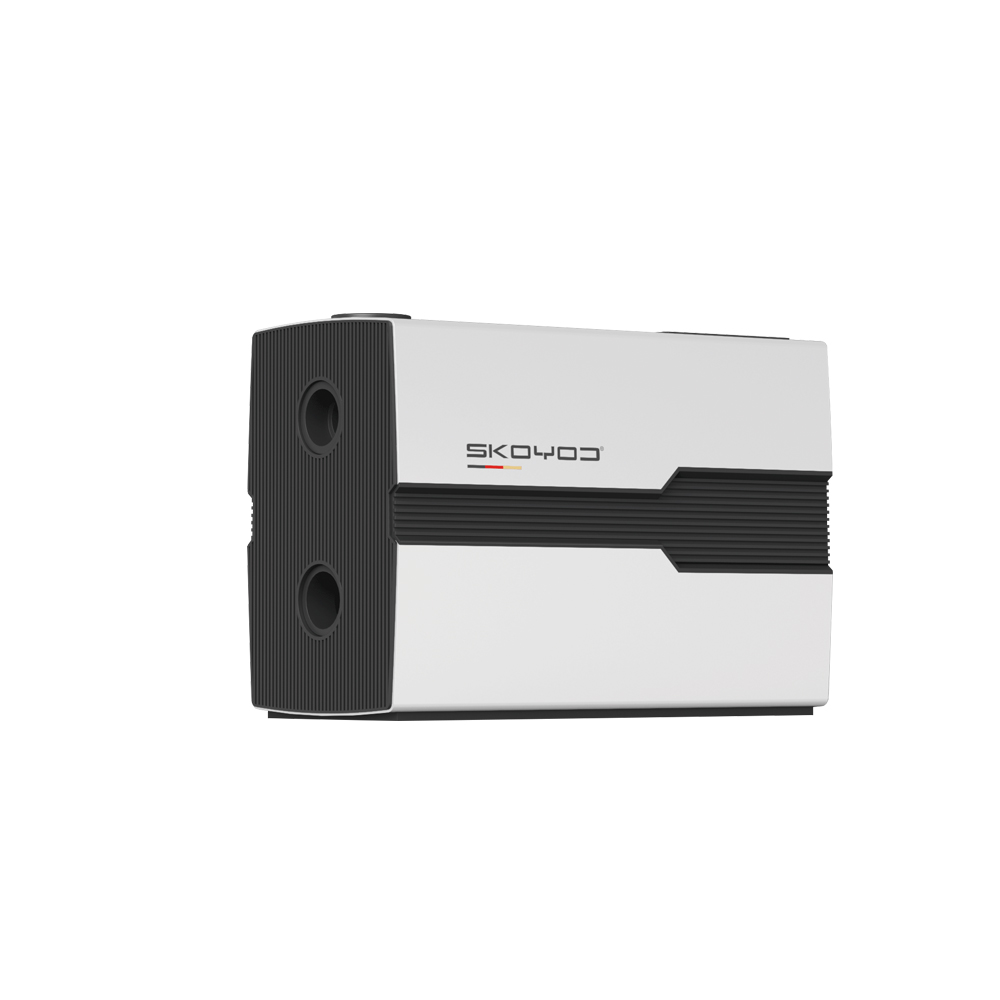
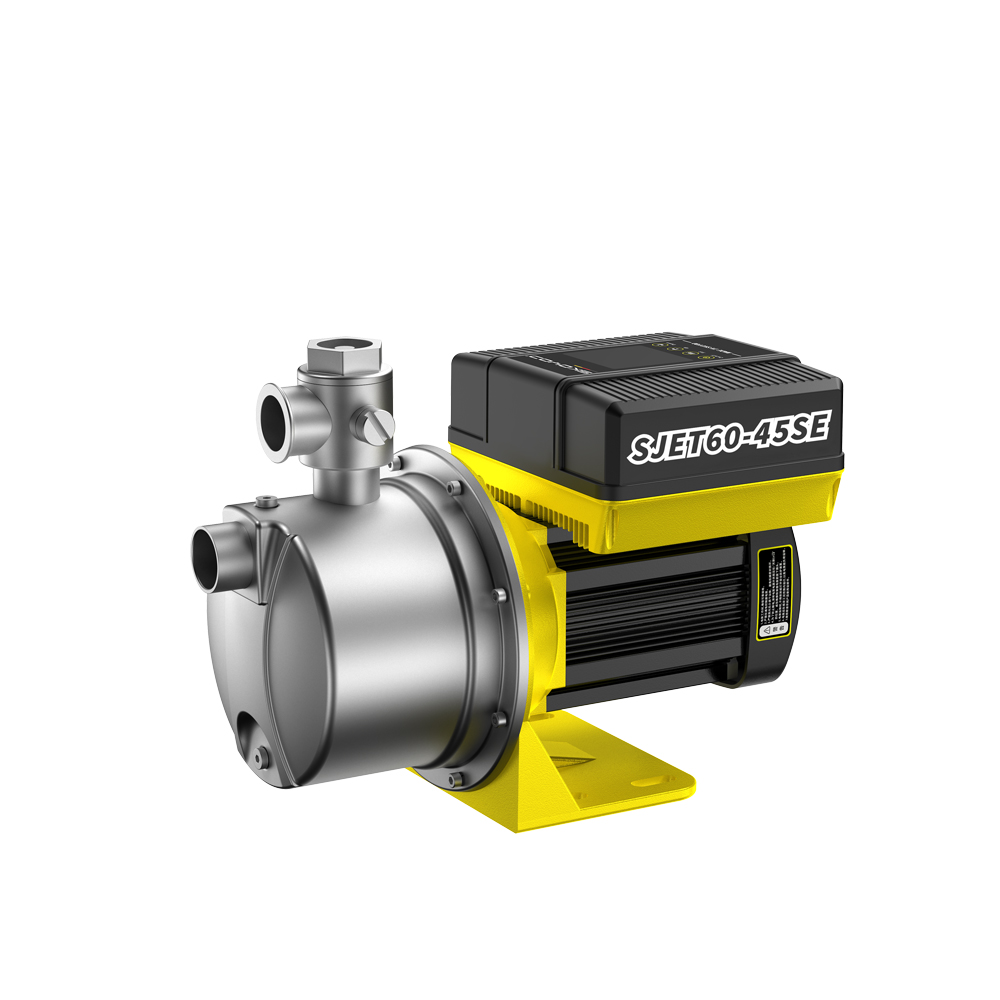
When evaluating options for water circulation and pressure management, many businesses and facilities compare an Intelligent Centrifugal Pump with a Pipeline Circulating Pump to determine which solution can support higher efficiency and smoother operation. Intelligent technology combined with advanced motor systems is reshaping how pumping systems are designed and used, creating practical improvements in energy use, pressure control, and overall system reliability.
Intelligent Adjustments for Energy Efficiency
By integrating permanent magnet motors with variable frequency
drives, the pump fine-tunes its speed and power consumption in real
time. Unlike traditional fixed-speed models, this approach helps reduce
energy waste when demand is low, while still supplying sufficient output
during peak usage.
For facilities where energy bills form a large
portion of operating expenses, this capability translates into
measurable cost savings. At the same time, the pump’s adaptive operation
reduces strain on connected electrical infrastructure, creating more
balanced system performance. Compared with a pipeline circulating pump
that runs at constant speed, the intelligent centrifugal option allows
more flexible control, especially in applications with fluctuating
demand.
Maintaining Constant Pressure Under Varying Conditions
Another area where efficiency is enhanced is pressure stability.
Intelligent centrifugal pumps are equipped with monitoring systems that
track water pressure continuously. When fluctuations occur, the pump
adapts automatically, ensuring that the output remains steady.
In
heating, cooling, or domestic water supply systems where a pipeline
circulating pump might simply recirculate water at a fixed rate, an
intelligent system offers improved stability by responding to dynamic
usage patterns. For users, this means fewer interruptions and a longer
lifespan for both the pump and associated piping equipment.
Reduced Mechanical Stress and Longer Service Life
Efficiency is not limited to energy consumption alone. Intelligent
centrifugal pumps often incorporate soft-start functions through their
variable frequency drives, gradually increasing and decreasing motor
speed rather than starting or stopping abruptly. This reduces mechanical
stress on impellers, shafts, and bearings, which in turn lowers the
likelihood of premature wear.
Pipeline circulating pumps typically
provide stable recirculation but may not include advanced control
features for mechanical protection. By absorbing sudden pressure surges
and vibrations, smart centrifugal pumps can extend the life of the
entire pumping system, thereby reducing long-term downtime and
maintenance costs.
Versatility Across Applications
A further advantage comes from the adaptability of these pumps across
different settings. Intelligent centrifugal pumps can be used for
domestic water supply, HVAC circulation, and even industrial processes
where pressure consistency is crucial. Because they automatically adjust
to system needs, they can operate efficiently in both small-scale and
large-scale installations.
Pipeline circulating pumps, on the other
hand, are well suited for specific circulation tasks such as heating or
cooling loops, but may lack the same degree of adaptability when demand
varies. Choosing between the two often depends on whether the
application requires precise pressure management in addition to
circulation.
Practical Benefits for Long-Term Operation
For operators and facility managers, the combination of intelligent
control, durable materials, and reduced energy use brings practical
benefits. Less energy consumption means lower utility costs. Adaptive
pressure management reduces repair expenses related to pipe stress.
Remote monitoring functions available on many intelligent centrifugal
pumps allow users to track performance without being on-site, creating
more convenient management.
These factors together show how
efficiency extends beyond a single metric. It involves not only reduced
energy consumption but also improved system stability, reduced
maintenance needs, and greater adaptability to real-world operating
conditions.

- Home
- Product
- Permanent Magnet Variable Frequency Constant Pressure Booster Pump
- Intelligent Permanent Magnet Variable Frequency Constant Pressure Centrifugal Pump
- Permanent Magnet Variable Frequency Self-Priming Constant Pressure Electric Pump
- Permanent Magnet Variable Frequency Stainless Steel Horizontal Centrifugal Pump
- Permanent Magnet Variable Frequency Shielded Circulating Booster Pump
- Permanent Magnet Variable Frequency Toilet Pump
- Permanent Magnet Variable Frequency Sewage Lift Station
- Intelligent Mini Air Condition Condensate Drainage Pump
- Permanent Magnet Variable Frequency Pipeline Circulation Pump
- About Us
- Application
- News
- Contact Us
Zhejiang Lampas Technology Co.,Ltd
Tel:+86-576-89954770
Email:info@skoyodpump.com
Add:No 199, ErHuan Road ,Munan , Muyu Village, Wenling City, Zhejiang Province, China